
Transform Your Sleep, Unlock Your Mind
Sleep is not a luxury—it's the foundation of cognitive excellence and mental resilience. Discover how optimizing your sleep can reshape your brain health, enhance memory, and fortify your emotional wellbeing.
The information on this site is for educational purposes only and does not constitute medical advice. Always consult a qualified healthcare professional before making health decisions.
Sleep Science by the Numbers
8 hours
Optimal sleep duration for cognitive performance and neural restoration
30%
Memory retention improvement after quality sleep cycles
REM Sleep
Critical stage for emotional regulation and creative processing
4-6 cycles
Complete sleep cycles needed for full brain restoration
How Sleep Repairs Your Brain
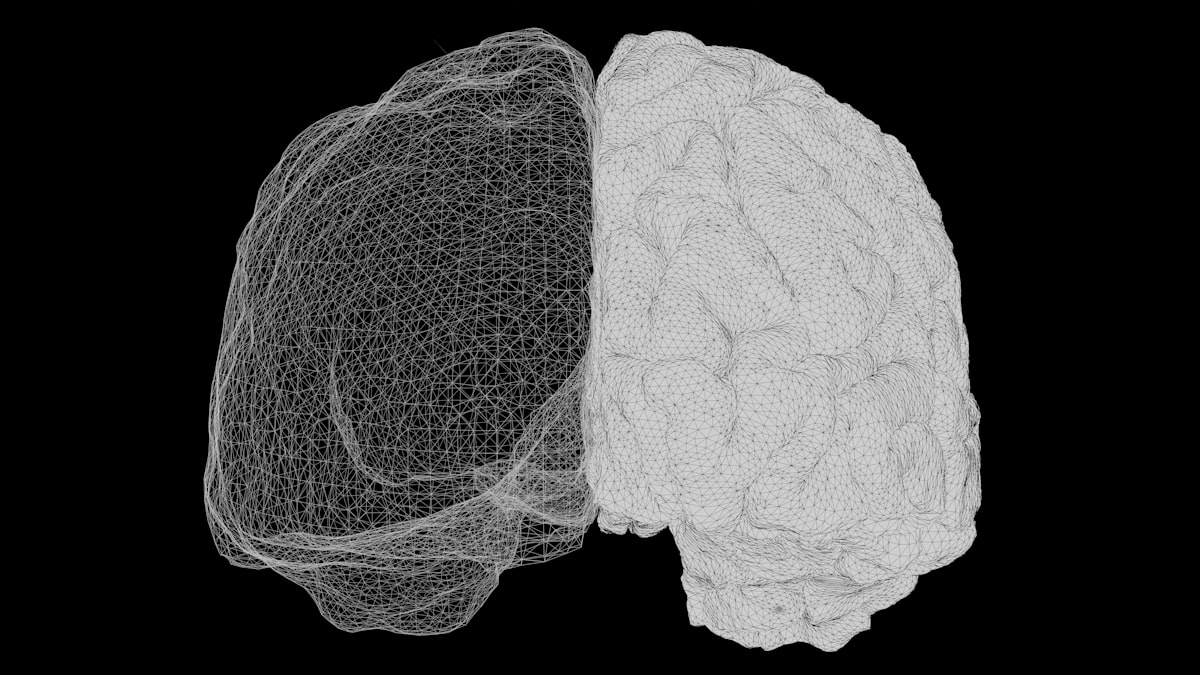
During sleep, your brain undergoes profound biological processes that cannot happen while you're awake. The glymphatic system activates, flushing out metabolic waste including proteins linked to cognitive decline. This nightly maintenance is essential for maintaining neural connections and supporting long-term brain health.
Sleep consolidates memories, transforms short-term information into long-term storage, and reorganizes neural networks. This process explains why students perform better after rest, why creative breakthroughs often follow sleep, and why chronic sleep deprivation accelerates cognitive aging.
Beyond memory, sleep regulates neurotransmitters that control mood, motivation, and stress resilience. Poor sleep disrupts dopamine and serotonin balance, contributing to anxiety and depression, while consistent quality sleep strengthens emotional regulation and psychological resilience.
Read Full Article
Core Sleep Optimization Strategies
Sleep Consistency
Maintain a fixed sleep-wake schedule seven days a week. Your circadian rhythm thrives on predictability, improving sleep quality and daytime alertness when you respect consistent timing.
Light Environment Control
Bright light exposure in morning activates alertness; dim lighting in evening signals melatonin production. Minimize blue light from screens 1-2 hours before bed for optimal sleep onset.
Physical Movement
Regular exercise deepens sleep architecture and increases slow-wave sleep duration. Avoid intense activity 3-4 hours before bed; morning or afternoon activity optimizes nocturnal rest.
Temperature Optimization
A cool bedroom (around 16-19°C) facilitates sleep onset by supporting natural body temperature drop. Warm baths before bed trigger post-bath cooling, accelerating drowsiness.
Nutrition Timing
Large meals before bed disrupt sleep quality. Avoid caffeine after 2 PM, limit alcohol which fragments sleep, and stop eating 2-3 hours before bedtime for uninterrupted rest.
Mental Preparation
Mindfulness and relaxation techniques calm the nervous system before bed. Journaling or meditation 20 minutes before sleep reduces racing thoughts and accelerates transition to rest.
Sleep Environment Inspiration

Creating Your Ideal Sleep Space
A well-designed bedroom prioritizes darkness, quiet, and comfortable temperature. Remove electronic devices, invest in quality bedding, and consider blackout curtains and white noise if environmental factors disturb rest.
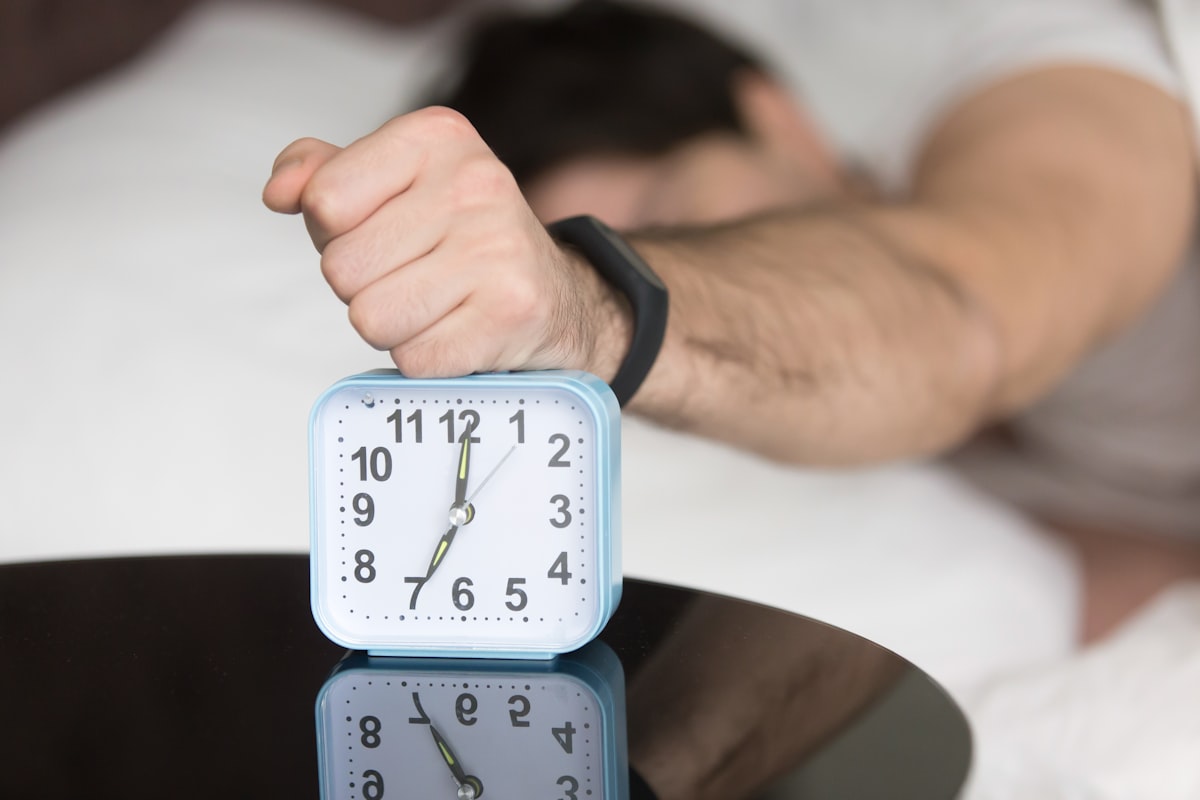
Morning Light Exposure
Get bright light exposure within 30 minutes of waking to anchor your circadian rhythm. Natural sunlight on skin is ideal; if unavailable, bright indoor light or light therapy lamps can serve the same function for alertness regulation.
Evening Wind-Down Ritual
Establish a pre-sleep routine 1-2 hours before bed: dim lighting, calm activities like reading or gentle stretching, and avoidance of stimulating content. Consistency signals your body to prepare for rest.

Strategic Exercise Timing
Morning or afternoon workouts enhance nighttime sleep quality without interfering with sleep onset. Exercise increases time spent in deep, restorative sleep stages and improves overall brain resilience.
Why Resilientmindlifespan Leads Sleep & Brain Health Information
Evidence-Based Research
All content draws from peer-reviewed neuroscience and sleep medicine literature. We synthesize complex research into actionable insights grounded in established scientific principles.
Practical Application
Theoretical knowledge means nothing without real-world implementation. Our articles focus on actionable strategies you can integrate into your daily routine immediately.
Editorial Integrity
As an independent editorial platform, we maintain complete objectivity. No commercial interests, no product promotion—only information designed to support your sleep and cognitive wellbeing.
Holistic Perspective
Sleep exists within a broader ecosystem of health. We address circadian biology, nutrition, movement, stress management, and psychological factors affecting brain resilience.
Continuous Updates
Sleep science evolves rapidly. Our editorial team monitors emerging research and updates content to reflect the latest discoveries in neuroscience and sleep medicine.
Reader-Focused
Your questions drive our content roadmap. We welcome feedback and continuously refine our articles based on what readers find most valuable and applicable.
Real Stories of Mental Clarity
"I struggled with fragmented sleep for years, thinking it was just how my brain worked. The articles about sleep architecture and circadian rhythm were revelatory. After implementing the consistency strategies, many users have noticed sharper focus at work and better emotional resilience. The science behind why these changes matter made all the difference in my commitment."
Sarah Mitchell
Bristol, United Kingdom
"As someone dealing with anxiety, I found the neurotransmitter explanations particularly helpful. Understanding how poor sleep disrupts dopamine and serotonin gave me context for why my mood improved once I prioritized rest. The content is scientifically rigorous but genuinely accessible. This has been a game-changer for my overall wellbeing."
James Chen
London, United Kingdom
"I'm a student and the articles about memory consolidation during REM sleep completely changed how I approach study schedules. Instead of cramming late, I now prioritize sleep before exams, and my grades have improved noticeably. The practical tips combined with the actual neuroscience make this resource valuable for anyone interested in cognitive performance. Results may vary by individual."
Emma Thompson
Manchester, United Kingdom
Stay Updated on Sleep & Brain Health
Get our latest articles, research insights, and science-backed strategies delivered directly to your inbox.
We respect your privacy. Unsubscribe anytime.
Common Sleep & Brain Questions
How much sleep do I actually need?
Most adults require 7-9 hours for optimal cognitive and physical functioning. Needs vary individually—some thrive on 7, others benefit from 9. The key is consistency: sleeping the same duration every night matters more than the exact number. Pay attention to whether you wake naturally refreshed or need an alarm; this indicates whether your duration aligns with your biology.
Can I catch up on sleep over weekends?
Partial recovery is possible, but chronic weekday sleep deprivation cannot be fully compensated by weekend rest. Your circadian rhythm suffers from inconsistent timing. Weekend recovery helps mitigate some cognitive deficits but doesn't restore the neurological benefits of consistent nightly sleep. Consistency is superior to "sleep banking."
Why do I feel groggy after sleeping long?
Sleep inertia—that grogginess upon waking—intensifies when you awaken during deep sleep rather than light sleep stages. Sleeping longer increases the chance of waking during deep sleep. Additionally, very long sleep can disrupt circadian rhythm signaling. Waking naturally or with bright light exposure helps minimize grogginess.
Does napping harm nighttime sleep?
Short naps (20-30 minutes) in early afternoon generally don't disrupt nighttime sleep and can restore alertness. Longer naps or late afternoon napping can fragment nocturnal sleep. If you're napping regularly to compensate for poor nighttime sleep, address underlying sleep quality first. Naps work best as occasional boosts, not replacements for adequate night sleep.
How does stress affect sleep quality?
Stress activates the sympathetic nervous system, increasing cortisol and adrenaline, which inhibit melatonin production and fragment sleep architecture. Chronic stress reduces time spent in restorative slow-wave and REM sleep. Addressing stress through mindfulness, physical exercise, and worry management before bed significantly improves sleep quality and emotional resilience.
Can exercise too close to bedtime disrupt sleep?
Intense exercise within 3-4 hours of bed elevates body temperature and adrenaline, delaying sleep onset. Gentle activities like stretching or yoga in evening are fine. Optimally, vigorous exercise happens in morning or afternoon to enhance deep sleep without interfering with sleep timing. Exercise timing affects sleep quality, making strategic scheduling important.
Start Your Brain Health Journey Today
Sleep quality is not fixed—it's a skill that improves with knowledge and consistent practice. Whether you're struggling with insomnia, seeking to optimize already-decent sleep, or looking to maximize cognitive performance, Resilientmindlifespan provides the science-backed guidance you need.
Explore our comprehensive articles on sleep optimization, brain resilience, and the neuroscience connecting nocturnal rest to daytime mental clarity. Our editorial platform is designed to empower you with actionable intelligence grounded in rigorous research.